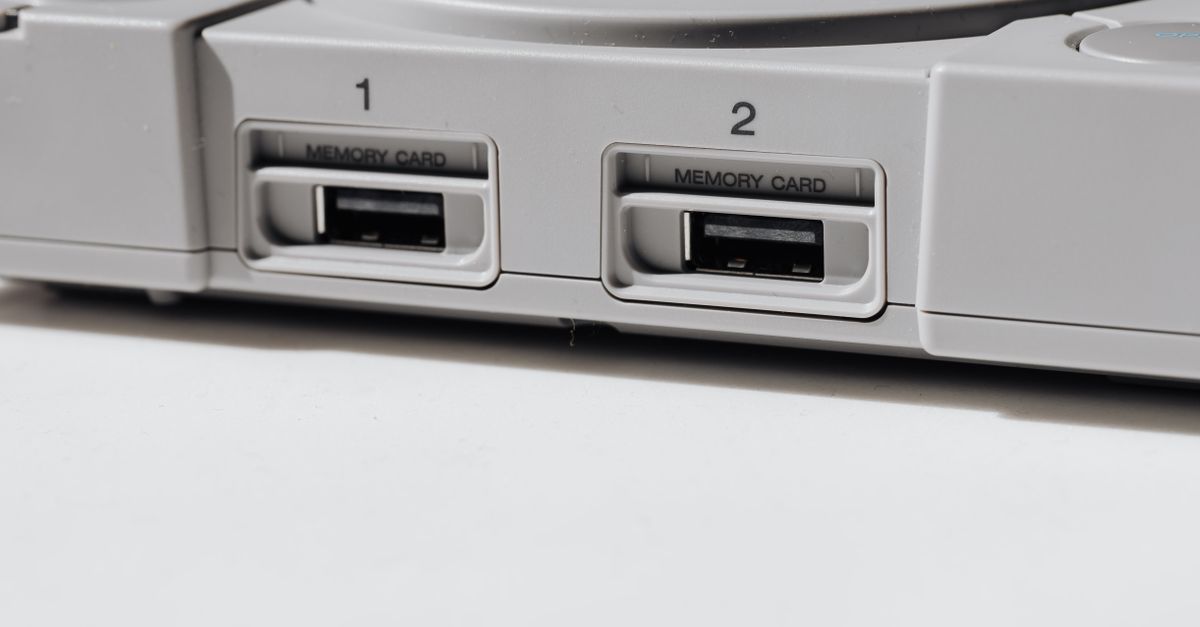
You want to replay the games you grew up with. You could dig out your old console, buy an official mini version, use a subscription service with classic games, or try emulation. Each option has trade-offs in cost, authenticity and convenience.
Key Takeaways
- Original hardware offers the most authentic experience but can be expensive and needs care, especially with modern TVs.
- Official mini consoles and re-release collections are convenient and legal but have limited libraries.
- Emulation offers flexibility; legality depends on how you obtain the games.
- Many classic consoles look and feel best on CRT TVs; upscalers help on modern displays.
Original hardware
Pros
- Authentic controls, timing and feel
- Original cartridges and accessories
- Collecting enjoyment
Cons
- Rising prices for popular games
- Aging hardware needing repairs
- Video signals designed for CRT TVs
Many older consoles output low-resolution analogue signals. On modern TVs, these can look blurry and add input lag. Light gun games generally do not work on modern flat screens.
CRT TVs and upscalers
Some enthusiasts use CRT TVs for authenticity. Others use upscalers that convert analogue signals to HDMI with less lag and sharper images. Quality varies; research models compatible with your consoles.
Official mini consoles
Several companies have released mini versions of classic consoles with built-in games and HDMI output.
Pros: affordable, legal, plug-and-play. Cons: fixed libraries, sometimes short controller cables.
Re-releases and subscriptions
Modern platforms offer classic games through collections and subscription services. These are legal, convenient and often include save states or rewind features.
Emulation
Emulators recreate older hardware in software.
Pros: wide compatibility, save states, upscaling, filters. Cons: setup time, occasional accuracy issues.
Emulators themselves are generally legal. Downloading copyrighted game files you do not own can infringe copyright. Some people create backups from cartridges they own using dumping devices.
Choosing your approach
- For authenticity: original hardware, possibly with a CRT or quality upscaler.
- For convenience: mini consoles or subscriptions.
- For flexibility: emulation with legally obtained games.
- For collectors: original hardware and boxed games.
Buying original hardware wisely
- Test before buying when possible: video output, controllers, cartridge slot.
- Check for modifications, which can affect value and reliability.
- Look for complete sets with original controllers and cables.
- Factor in repairs: capacitors, power supplies and disc drives can wear out.
Prices for popular games have risen as collectors compete. Reproductions exist, so learn the signs of authentic cartridges.
Preserving saves and collections
Store consoles and games away from heat and humidity. For cartridges with battery-backed saves, consider backing up save files with appropriate hardware if they matter to you.
Frequently Asked Questions
Why do old games look worse on new TVs? They were designed for CRT displays; modern TVs scale and process the signal.
Do cartridges wear out? Contacts can corrode, and save batteries die. Cleaning and battery replacement can help.
Are mini consoles worth it? For casual play, often yes.
Is emulation accurate? Many emulators are highly accurate; some games have minor differences.
The bottom line
Choose original hardware for authenticity, official releases for convenience, and emulation for flexibility — within the law.